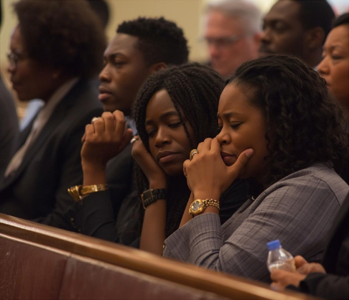
You’ve spent years building your spiritual life — your relationship with your Orisha, your Ile, your sacred tools. An estate plan is how you protect all of it when you’re no longer here to speak for yourself.
The Basics
An estate plan is a collection of legal documents that directs what happens to your belongings, your finances, and your body after you die — or if you become incapacitated and can no longer make decisions for yourself. At minimum, a basic estate plan typically includes:
- A will, which directs how your assets are distributed
- A healthcare proxy or medical power of attorney, which names someone to make medical decisions on your behalf
- A durable power of attorney, which names someone to manage your finances if you’re unable to
- An advance directive (living will), which records your wishes for end-of-life medical care
Some people also have a trust, which can allow assets to pass to beneficiaries without going through probate.
Without an estate plan, the law decides what happens, and that may be very different from what you want.
Why This Is Different for Orisha Priests
For most people, estate planning is about money, property, and family. For Orisha priests, there’s an additional layer to plan for, and writing a Letter of Instruction is the ideal way to do it.
You may have ritual items that cannot — and should not — be passed to just anyone. You may have godchildren, godsisters and/or godbrothers who are not blood relatives but who are the rightful recipients of certain things. You may have relationships within your Ile that your blood family doesn’t fully understand, and wishes around your Itutu that won’t be honored unless they’re documented.
Your Letter of Instruction can provide guidance to ensure that a consecrated vessel isn’t treated like a decorative bowl.
What a Plan Can Do for Your Community
Your Letter of Instruction can:
- Name a trusted godparent or elder to receive or oversee your sacred items
- Leave funds specifically designated for your Itutu
- Reduce conflict between your blood family and spiritual family by making your intentions clear to everyone
Your plan doesn’t have to reveal the details of your tradition to be effective. It simply has to be specific enough that the people you trust know what to do.
The Best Time to Start Is Before You Need It
Estate planning isn’t about being morbid. It’s about making sure that the life you’ve built — in all its dimensions — is honored. The earlier you put a plan in place, the more time you have to be thoughtful about it.
At Orisha Legacy, we work with priests to think through the pieces of an estate plan that matter most to this community. Reach out to learn more about how we can help.